The Dawn of Hacking: Spacewar! and the 1980s
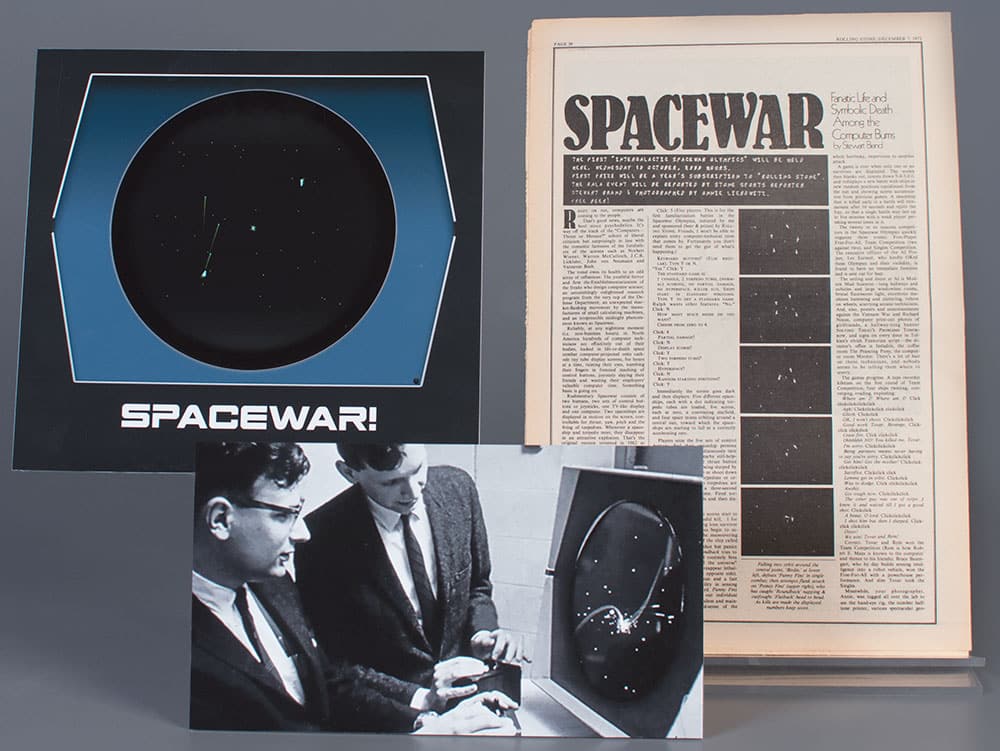
The story of modding begins not with a store-bought disk, but with a massive, room-filling computer. In 1962, Spacewar! was created at MIT as a simple test for the PDP-1 computer. Because the program was freely accessible, programmers on campus began tinkering with it, altering the physics and changing the graphics. In many ways, this collaborative act of improvement makes Spacewar! not only one of the first video games, but also the first game to ever be modded .

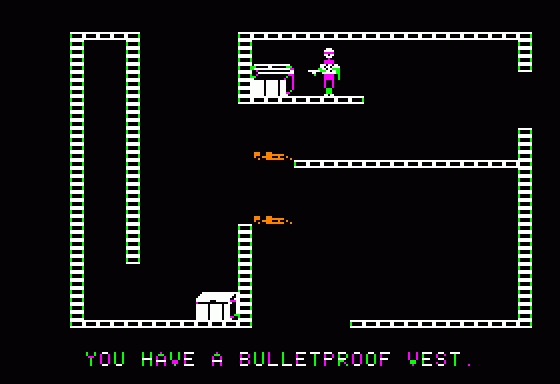
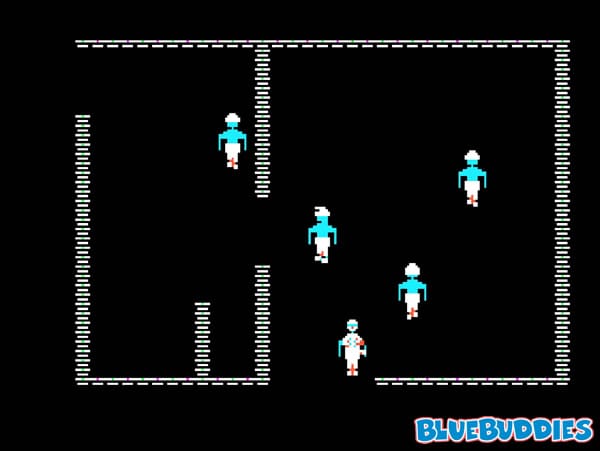
This spirit continued into the home computer era of the late 1970s and 80s. Hobbyists with Apple II and Commodore 64 computers would “crack” open game code to add cheats or replace assets. A famous example from this era is Castle Smurfenstein (early 1980s), a modification of the Apple II game Castle Wolfenstein that humorously replaced the Nazi soldiers with characters from The Smurfs cartoon. This playful act of subversion is often cited as a pioneering example of modding culture .
The Blueprint for Modding: Doom (1993)
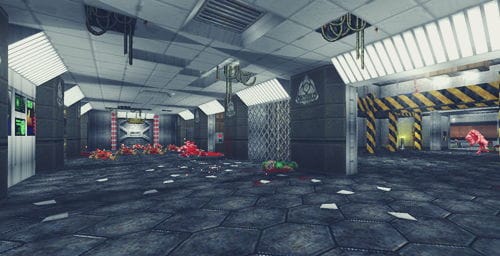
The true watershed moment for modding came with id Software’s Doom. Programmer John Carmack made a deliberate, revolutionary decision: he separated the game’s core engine from its data—the graphics, sounds, and levels—which were stored in a file format known as a WAD (“Where’s All the Data?”). This meant that players could create and share their own WAD files to completely change how the game looked and played without altering the engine itself .
id Software embraced this creativity, releasing the source code for level editors. This sparked an explosion of user-generated content. Fans created tools like the Doom Editor Utility, which lowered the barrier to entry and allowed anyone to build new levels. Mods like the Barney mod, which replaced the final boss with the friendly purple dinosaur, delighted the developers. This open approach was novel at a time when other companies were suing modders. Doom proved that empowering the player base extended a game’s life and built a passionate community, establishing a new standard for the industry .


When Mods Become Games: Quake, Half-Life, and the Birth of Genres
Building on Doom‘s foundation, games like Quake became a playground for innovation. It was here that classic multiplayer modes like Capture the Flag were born as mods. Soon after, a mod for Quake called Team Fortress revolutionized team-based play .


But it was Valve’s Half-Life (1998) and its powerful SDK (Software Development Kit) that truly demonstrated the commercial potential of modding. Two mods, one for Half-Life and another for Warcraft III: Reign of Chaos went on to become standalone phenomena that defined genres for decades:
- Counter-Strike, created by Minh Le and Jess Cliffe, started as a mod and became a global esports phenomenon and a billion-dollar franchise .
- Defense of the Ancients (DotA) , a community-created scenario for Warcraft III, was so influential that it spawned an entirely new genre—the Multiplayer Online Battle Arena (MOBA)—leading to commercial giants like League of Legends and Dota 2 .

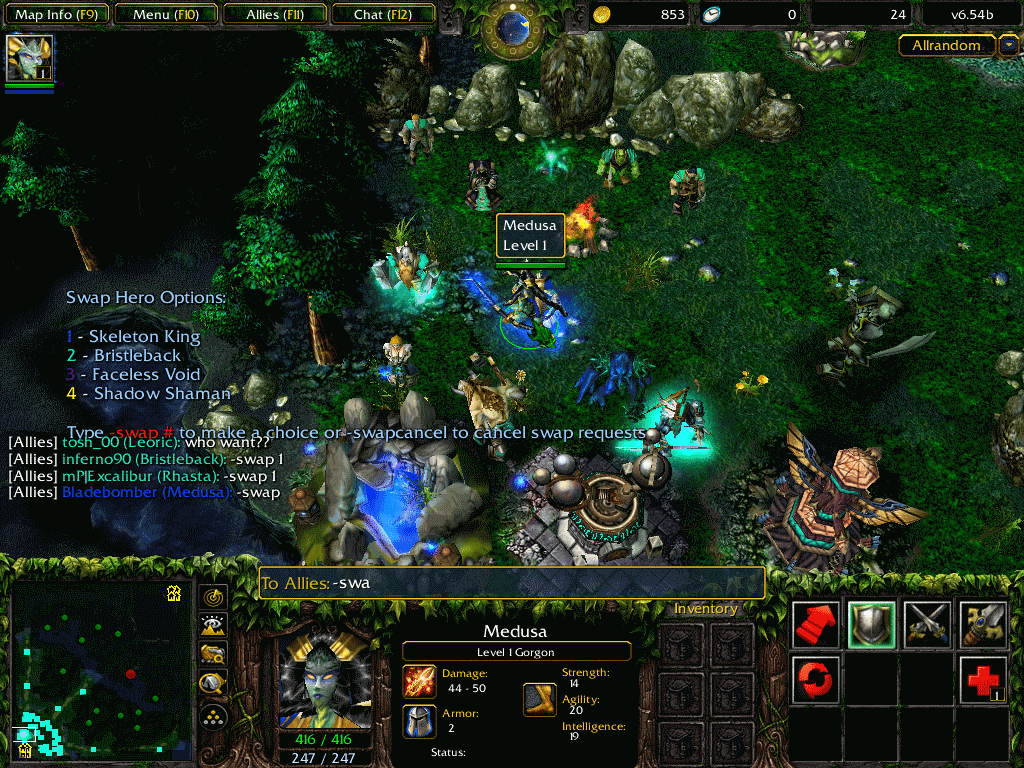
These stories cemented a powerful narrative: a great mod could be a direct path to a successful career in game development .
The Era of Platforms and Titans: Skyrim and Beyond
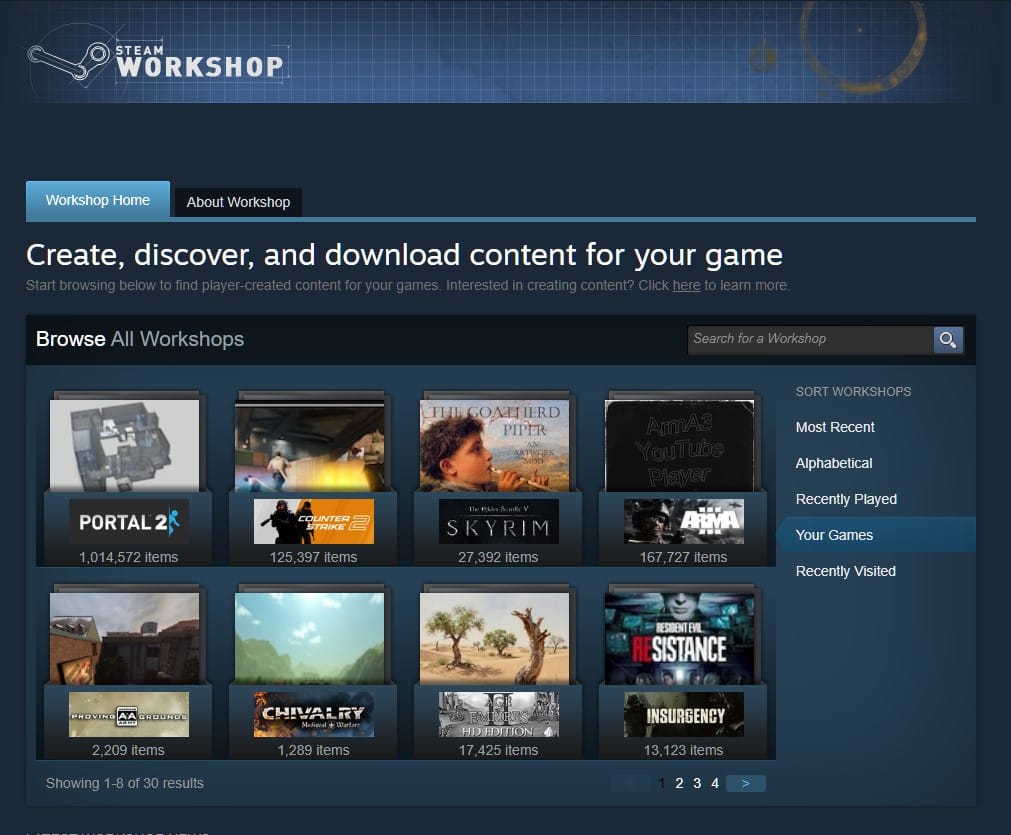
As the internet became ubiquitous, so did the infrastructure for modding. Platforms like Nexus Mods (founded in 2001) became central hubs, hosting millions of mods for thousands of games. Valve integrated modding directly into its storefront with the Steam Workshop, making it easier than ever for players to discover and install community content with a single click .

This era also saw the rise of games specifically designed to be modded. Bethesda Game Studios, with titles like Morrowind and Oblivion, perfected this art. But it was The Elder Scrolls V: Skyrim (2011) that became the undisputed king of modding. With the release of the Creation Kit, Bethesda gave players the tools to alter virtually every aspect of the game, from its weather systems to its quests. The numbers are staggering: mods for the original Skyrim have been downloaded over 2 billion times, and its Special Edition surpasses 6.2 billion downloads. To put that in perspective, more mods have been downloaded for Skyrim than there are people on Earth . It remains the most modded game in history, with over 21,000 new mods added in 2025 alone, far outpacing newer titles .
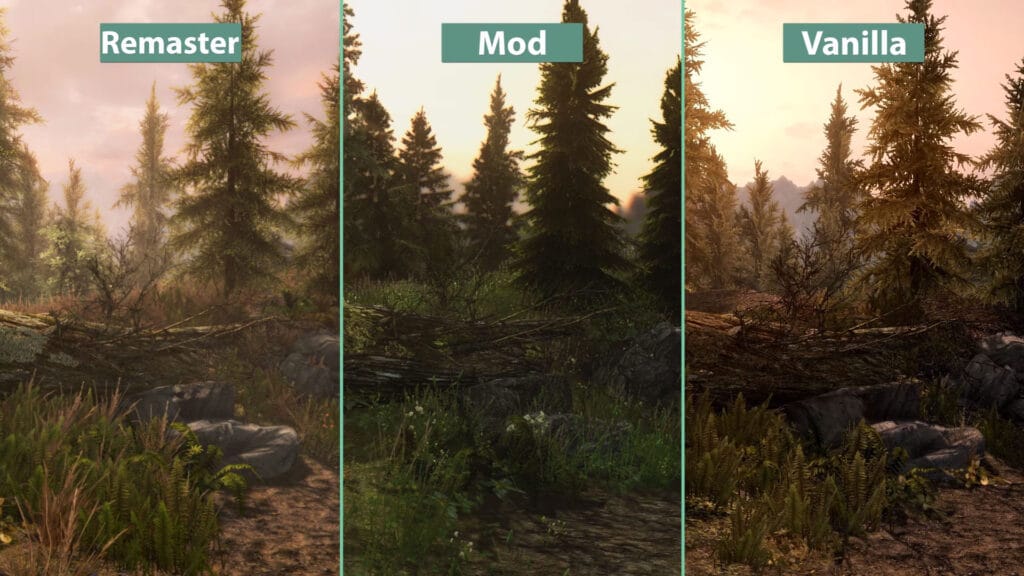
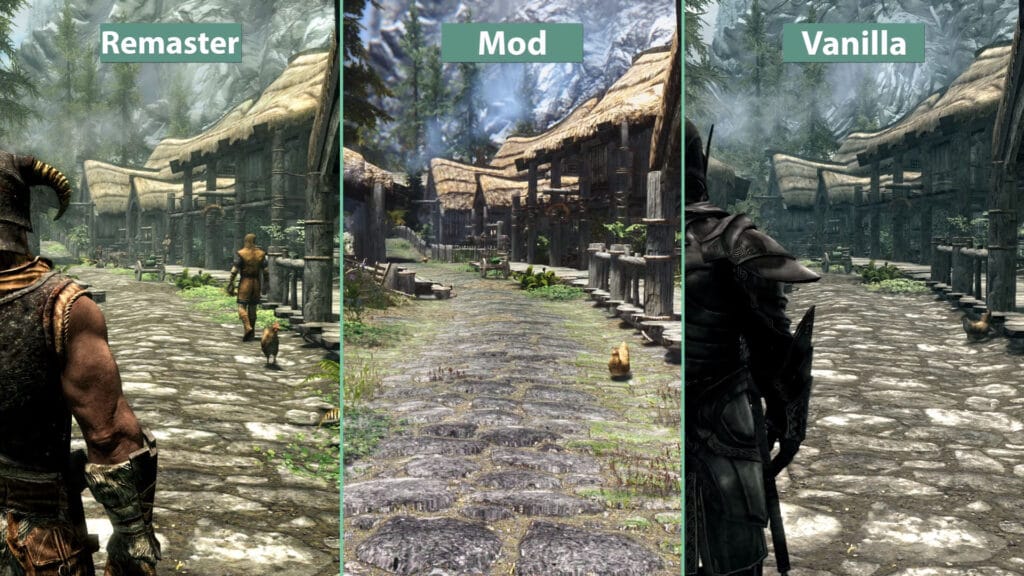
Other games have also fostered massive modding communities. Stardew Valley, Fallout 4, Cyberpunk 2077, and Baldur’s Gate 3 consistently rank among the most modded games, proving that the desire to personalize and expand game worlds is universal .
The Infrastructure and Impact Today
Today, modding is a recognized and vital part of the gaming ecosystem. Platforms like Nexus Mods host over 800,000 mods for more than 1,000 games, while Steam Workshop supports over 20,000 titles, and the cross-platform mod.io has surpassed a billion downloads . Specialized mod managers like Vortex and Mod Organizer 2 help players handle complex load orders, while tools like SKSE (Skyrim Script Extender) push the boundaries of what’s possible .
The impact on players and careers is undeniable. Modders have become lead designers, and key creative forces. From the creator of The Forgotten City, a Skyrim mod that became an award-winning standalone game, to the many former modders now working on The Witcher 4 and Starfield, the path from hobbyist to professional is well-trodden . While modding is still for many, as myself, a passionate pastime, a hobbit; it is nowadays the studios’s secret weapon, a training ground for talent, and the lifeblood that keeps games alive for generations.
We, at Takoda Wahya Community Hub, do not want to reinvent the wheel, but keep it rolling. Creating carefully curated guides for our beloved games, embracing the challenges to provide enjoyment among players. Just for the sake of give. Modding until it brakes, or modding enough and play the damn game!.
by Takoda Wahya
Kindness IS a Superpower